

Start with the workflow, not the tool
Small businesses often add tools before they fix workflows. That creates more places to check, more manual copying, and more pressure on the owner. AI works best when it is attached to a repeatable business process that already matters.
A practical workflow starts with a question: where does valuable information enter the business, and what should happen next? For many companies the answer is simple: website forms, WhatsApp messages, emails, missed calls, invoices, booking requests, reviews, and social comments.
Connect AI output to the next action
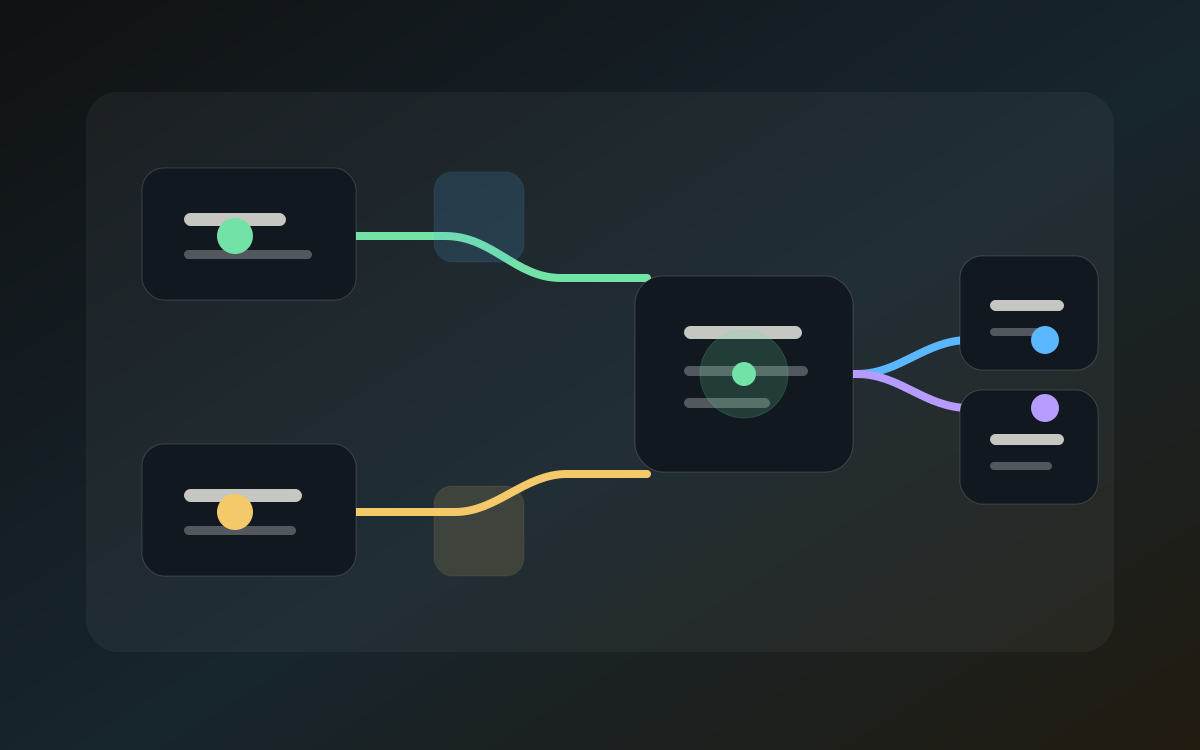
Once the entry points are clear, AI can help with the first layer of work. It can qualify a lead, summarize a customer request, draft a response, prepare a quote outline, sort a support message, create a follow-up reminder, or turn a phone note into a task for the right person.
The value comes from connecting the steps. A lead that is summarized but never followed up is still a lost lead. A drafted response that no one trusts is still friction. A content idea that never reaches the calendar is still only a note. Workflow design turns AI output into operational progress.
Keep the system easy to supervise
Small teams should also keep the system easy to supervise. High-risk messages should wait for approval. Routine summaries can be automatic. Owners should see a clear activity trail. The goal is not to make the business feel robotic. It is to make the boring handoffs more reliable.
This is why buying another dashboard rarely solves the real problem. The business needs fewer loose ends, not more screens. A good AI workflow can live behind the scenes, inside the contact form, CRM, inbox, scheduler, or content process the team already uses.
Raymuko designs AI workflows around the way the business already operates. We look for the repetitive moments that steal attention, then build small systems that reduce busywork, improve consistency, and give owners more time for decisions that actually need a human.
Explore small-business digital services